A building with several possible purposes
The phrase “hunting lodge” makes a varied building type sound deceptively uniform. Some lodges were relatively modest shelters used during a day's sport. Others were substantial residences where hunting formed one part of courtly life. A lodge might contain ceremonial dining rooms, guest apartments, offices and extensive service accommodation. Its purpose depended on the owner's resources, local traditions and the organisation of the estate.
That variety matters when reading a hotel description. An authentic sporting association does not make every present interior original, and a woodland location does not establish a hunting history. The useful evidence is a documented sequence of ownership, construction and use. Plans, estate records, conservation statements and official heritage entries are more informative than a decorative theme.
Schloss Fuschl in Austria provides a recognised example of a former hunting residence now associated with hotel accommodation. Schloss Kranichstein near Darmstadt offers another important reference, combining a documented hunting-lodge identity with present-day hospitality in part of its wider complex. These examples should not be flattened into a single “castle hotel” category: their buildings, collections, settings and visitor arrangements differ.
Architecture as a record of access
Begin at the approach. A long drive, controlled gateway or prominent entrance can communicate possession as clearly as a coat of arms. The building may face a formal arrival court while its working spaces turn towards service yards. Even where the original sequence has changed, the relationship between these elements can remain legible.
Inside, look at thresholds rather than isolated ornaments. A broad staircase may have supported a ceremonial arrival, while a narrow secondary stair carried staff between floors. Large dining rooms indicate collective hospitality, but the kitchens, stores and passages reveal the labour behind it. Later conversions sometimes open these formerly separated routes; others preserve a distinction between guest circulation and service movement.
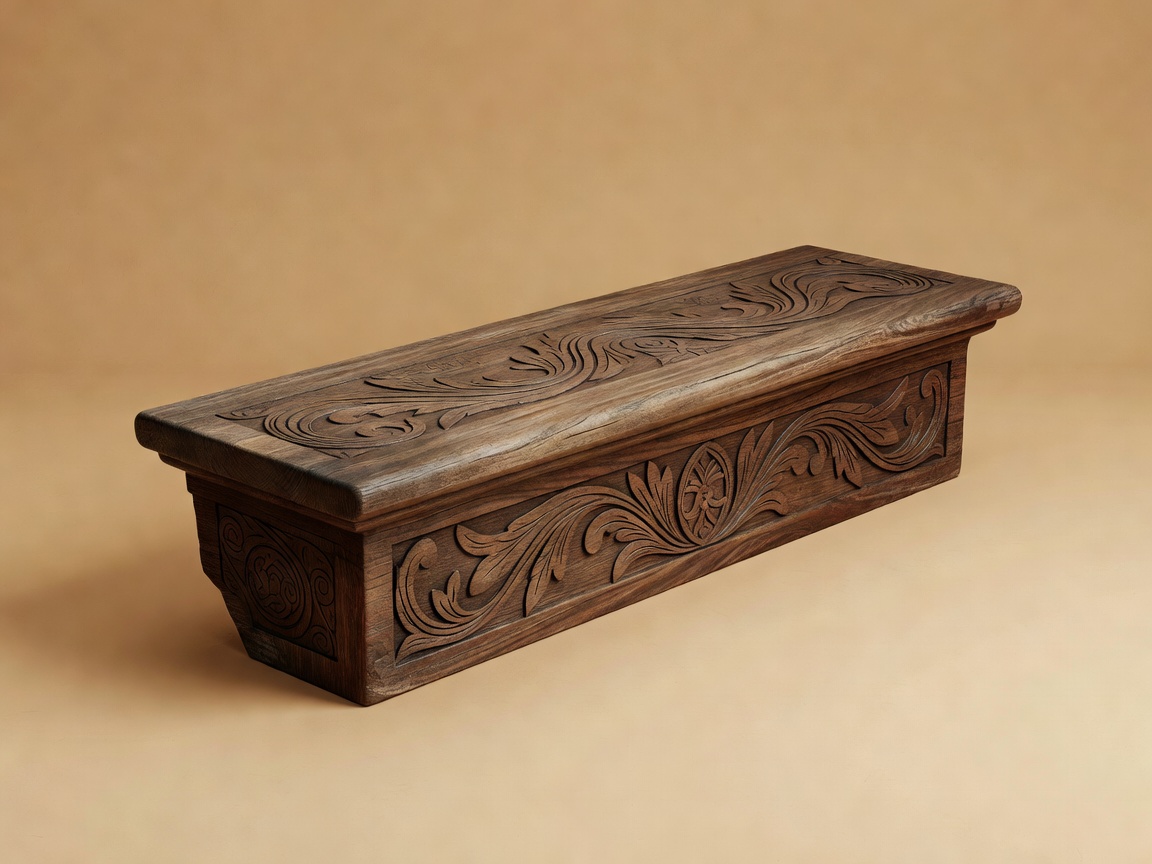
Materials also deserve a slower reading. Dark timber can be old, renewed or deliberately aged. A stone fireplace may have been moved from another room. A heraldic panel might mark a later owner's intervention rather than the building's foundation. None of these possibilities makes the place less interesting. They simply encourage a history of layers rather than a search for an untouched origin.
The social landscape behind the lodge
Sporting estates organised land as well as leisure. Their histories can involve forestry, tenant farming, gamekeeping, domestic employment and restrictions on movement. In some regions, the expansion of sporting land was entangled with displacement or the restructuring of rural communities. The details must be established locally; a general account should not pretend that all European estates followed the same pattern.
Mar Lodge Estate in Scotland is a useful reference for this wider relationship between a substantial lodge and a managed upland landscape. The National Trust for Scotland presents its natural and cultural setting, but it should not be treated as an ordinary full-service hotel example. The distinction helps prevent accommodation terminology from obscuring what a place actually offers.
Similarly, the Royal Hunting Lodge at Chamarande is not interchangeable with a bookable lodge hotel merely because a historic house sits within an estate. For a clearer architectural comparison, the Château de Chambord is particularly instructive: it demonstrates the monumental ambitions associated with royal hunting culture, but is not itself the kind of hotel accommodation discussed in this folio. Use references to understand a building type, not to infer a room for sale.
A changing purpose, not a simple succession
- Private or courtly useSport, residence, ceremony and estate administration overlap in different proportions.
- Alteration and adaptationNew owners, changing domestic expectations and periods of disuse leave additional layers.
- Heritage recognitionResearch and protection identify significance without necessarily freezing every detail.
- Hospitality useA new public-facing purpose introduces different obligations, services and patterns of access.
This sequence is a reading aid, not a universal chronology. Some lodges remained occupied continuously; others became institutions before becoming hotels. A thoughtful account allows those intervening lives to remain visible. The most persuasive heritage stay is not necessarily the one with the oldest-looking room. It may be the one that explains, with clarity and restraint, how the building arrived at its present use.
Before booking, look for a property history with named sources, a description of the actual accommodation building and a clear distinction between restored rooms and later additions. Then carry that knowledge into the visit. The stair, entrance and service passage become evidence rather than scenery.
Documentary starting points
These sources establish individual places and broader context; they are not endorsements or booking partners.